Understanding Your HVAC System
A beginner's guide to how your air conditioning and heating system works
Published on December 10, 2024
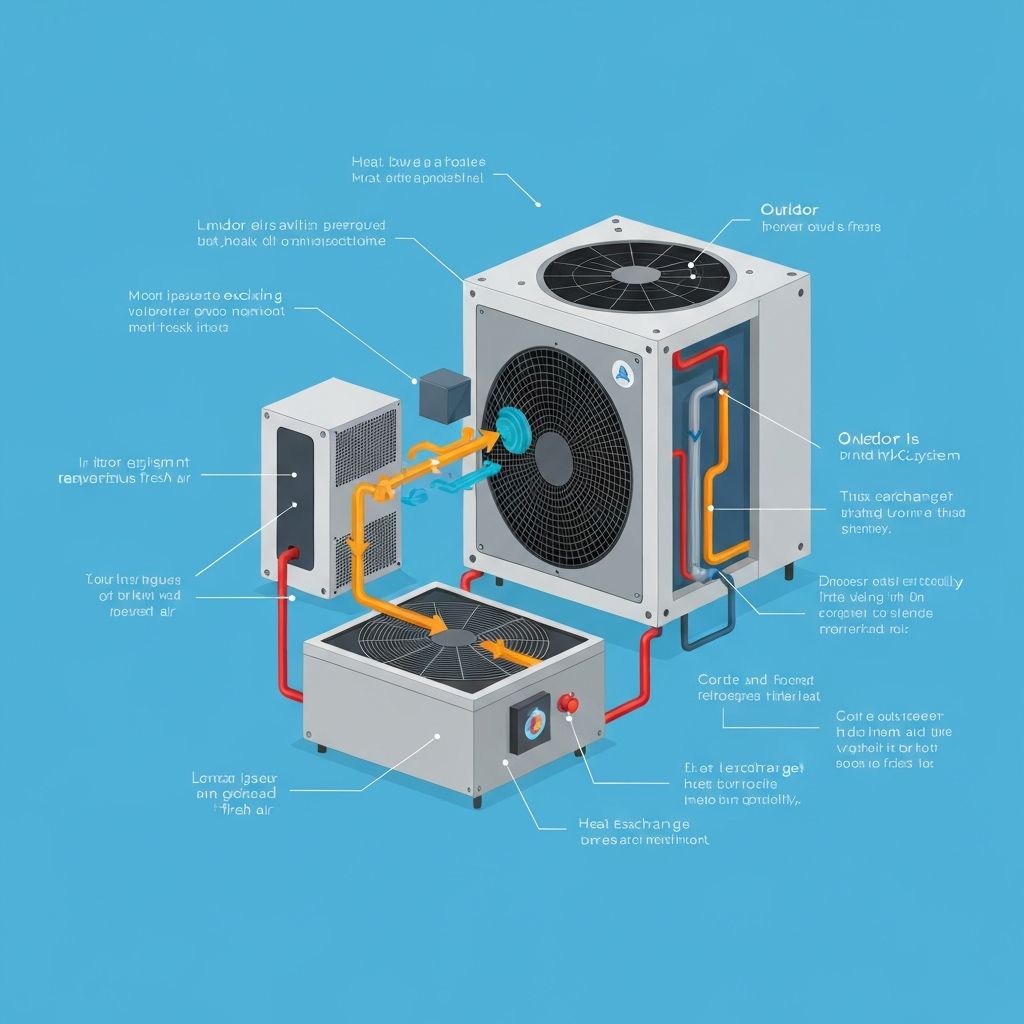
Your HVAC system is one of the most important systems in your home, but many homeowners don't fully understand how it works. Whether you're dealing with a repair, replacement, or just want to be more informed, this guide will help you understand the key components and how they work together.
Key Components of Your HVAC System
Thermostat
Control Center
The thermostat is your system's control center. It monitors room temperature and signals the HVAC system to heat or cool your home to maintain your desired temperature.
Furnace or Boiler
Heat Source
The furnace or boiler generates heat during winter months. Furnaces heat air, while boilers heat water that circulates through radiators or radiant floor systems.
Air Conditioner
Cooling Unit
The air conditioning unit removes heat and humidity from your home during warm months. It works with the furnace to provide year-round climate control.
Ductwork
Distribution System
Ducts carry heated or cooled air throughout your home. Proper insulation and sealing of ductwork ensures efficient delivery of conditioned air.
Refrigerant
Heat Transfer Fluid
This chemical compound circulates through the AC unit, absorbing heat from your home and releasing it outside. It's essential for cooling operation.
Blower Motor
Air Circulation
The blower motor circulates air through your system and ductwork. It's responsible for maintaining air velocity and distribution throughout your home.
How It All Works Together
🌡️ Winter Heating
When temperatures drop, your thermostat detects the change and signals the furnace to activate. The furnace heats air, which the blower motor distributes through your ductwork into each room. A damper system controls airflow to maintain even heating throughout your home.
❄️ Summer Cooling
When it gets hot, your thermostat signals the air conditioner to begin operation. The AC unit uses refrigerant to absorb heat from your home's air. The cooled air is then circulated through your ductwork by the blower motor, and the heat is expelled outside through the outdoor unit.
🔄 Continuous Operation
Modern HVAC systems are designed to maintain your desired temperature year-round. Your thermostat continuously monitors your home's temperature and adjusts heating or cooling as needed, ensuring optimal comfort and efficiency.
Common HVAC Terms Explained
SEER Rating (Seasonal Energy Efficiency Ratio)
Measures air conditioning efficiency. Higher SEER ratings indicate more efficient systems and lower energy costs.
AFUE (Annual Fuel Utilization Efficiency)
Measures heating efficiency. A higher AFUE percentage means your furnace uses fuel more efficiently.
BTU (British Thermal Unit)
A measure of heating or cooling capacity. Higher BTU ratings mean the system can heat or cool larger spaces.
Refrigerant
A chemical that circulates through your AC system, absorbing heat from your home and releasing it outside.
Questions About Your HVAC System?
Our certified technicians are ready to answer your questions and provide expert guidance on your system.